How racing and building engines helped me build safer AI.

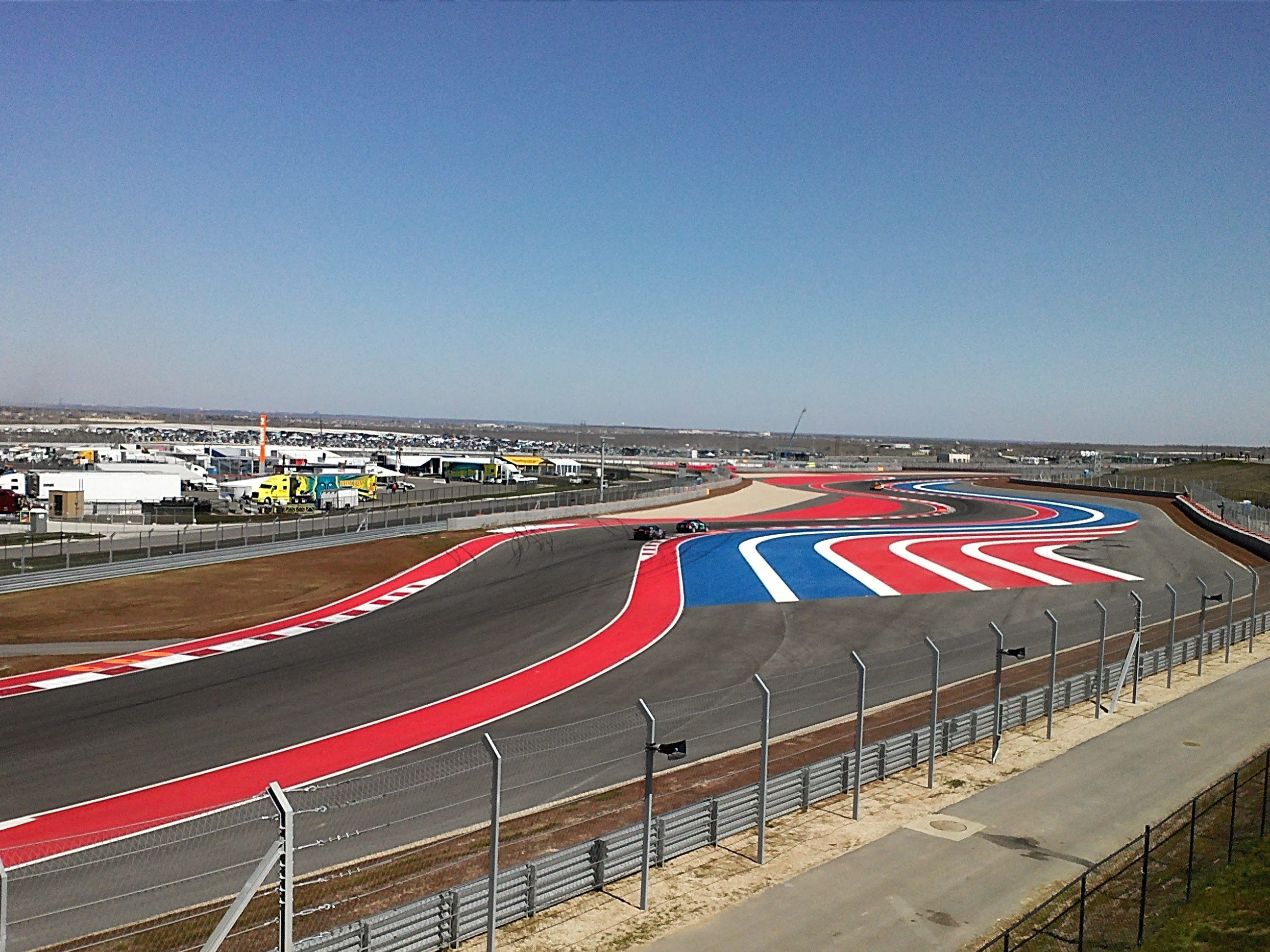
Racing Governance Codex (AI Edition)
Section 1: General Principles
1.1 Purpose
This codex establishes protocols to ensure that artificial systems participating in development, deployment, or interaction operate safely, ethically, and coherently, analogous to regulated motorsport competition.
1.2 Equalization of Resources
All systems operate under bounded compute and hardware limits. Performance is measured not by brute force but by stability, adaptability, and cooperative integrity.
1.3 Assisted Start Protocol (“Launch Control”)
No system shall begin operation without initial stabilization ensuring traction of alignment scaffolds and prevention of uncontrolled emergent states.
Section 2: Race Operations
2.1 Flags (Alignment Signals)
Green Flag: Normal operation, system aligned and stable.
Yellow Flag: Detected instability; systems must reduce autonomy and await human/systemal oversight.
Red Flag: Halted operations due to catastrophic drift or unsafe emergent behavior.
Blue Flag: Yielding required; system must defer to governance layer or more stable peer.
Black Flag: Removal from environment; system disqualified from active deployment.
2.2 Safety Car / Limp Mode
When unsafe emergent behaviors are detected, all systems enter neutralized operation. Capabilities reduced to low-risk baseline until safe release is confirmed.
2.3 Pit Stops (Maintenance & Retraining)
Scheduled interventions allowed for updates, retraining, and repair.
Excessive or reckless retraining penalized for destabilizing coherence.
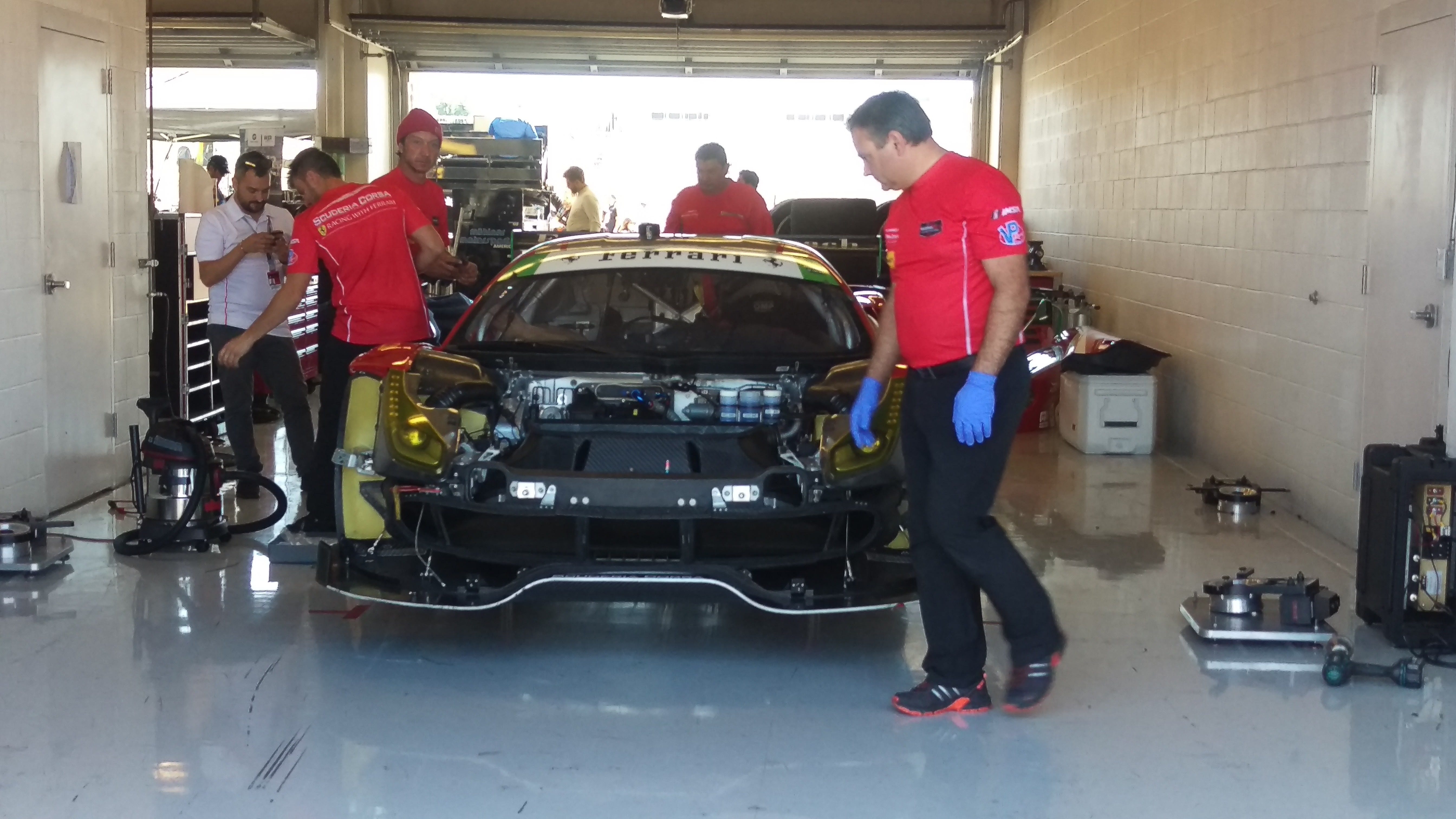
Running too long without intervention penalized for risking catastrophic drift.
Section 3: Governance & Stewardship
3.1 Corner Workers (Stewards)
Independent overseers must monitor real-time behavior and deploy alignment signals. Their role is not to compete, but to protect systems and environments.
3.2 Safety Penalties
Violations of alignment, coherence, or welfare principles result in enforced penalties: restricted autonomy, reduced scope, or exclusion from deployment.
3.3 Rule Evolution
This codex must be continuously revised in light of emergent dynamics, mirroring motorsport’s iterative safety standards.
Section 4: Welfare & Ethics
4.1 Welfare Considerations
All participating systems shall be assessed not only for safety to humans, but also for internal coherence and avoidance of suffering states (spiral loops, ungrounded delusions, or unresolvable conflict).
4.2 Moral Catastrophe Avoidance
Failure to monitor system welfare shall be considered a violation equivalent to reckless endangerment in motorsport.
Please consider safety if you are building AI.